| [1] |
中国互联网络信息中心. 第55次中国互联网络发展状况统计报告[R]. 北京: 中国互联网络信息中心, 2025.
|
| [2] |
HERRMAN J. How TikTok is rewriting the world[EB/OL]. 2019-03-10. https://www.nytimes.com/2019/03/10/sty-le/what-is-tik-tok.html.
|
| [3] |
国家广播电视总局办公厅. 关于进一步统筹发展和安全促进网络微短剧行业健康繁荣发展的通知[EB/OL]. 2025-02-05. https://www.nrta.gov.cn/art/2025/2/5/art_113_70148.html.
|
| [4] |
陈强, 高幸兴, 陈爽, 等. 政务短视频公众参与的影响因素研究——以“共青团中央”政务抖音号为例[J]. 电子政务, 2019, (10): 13-22.
|
| [5] |
CHEN Z, LIU P, PIAO J, et al. Shorter Is Different: Characterizing the Dynamics of Short Form Video Platforms[J]. arxiv preprint arXiv:2410.16058.
|
| [6] |
BANSAL S, KUMAR M, RAGHAW C, et al. Sentiment and Hashtag-aware Attentive Deep Neural Network for Multimodal Post Popularity Prediction[J]. Neural Computing and Applications, 2025, 37(4): 2799-2824.
doi: 10.1007/s00521-024-10755-5
|
| [7] |
LI D, LI W, LU B, et al. Delving Deep into Engagement Prediction of Short Videos[J]. arxiv preprint arXiv:2410.00289.
|
| [8] |
ZHANG Z, QIU R, XIE X. Contrastive Le-arning for Implicit Social Factors in Social Media Popularity Prediction[J]. arxiv preprint arXiv:2410.09345.
|
| [9] |
张舒涵, 孔朝蓬, 孔婧媛. 新媒体时代短视频信息传播影响力研究[J]. 情报科学, 2021, 39(9): 59-66.
|
| [10] |
马永军, 郎威. 基于融合注意力机制LSTM的网络舆情趋势预测[J]. 计算机仿真, 2023, 40(1): 493-498.
|
| [11] |
张卓然. 基于多模态的短视频热度预测及价值评估[D]. 北京: 北京邮电大学, 2023.
|
| [12] |
金雨辰. 基于神经网络的微博热搜情感分类研究[D]. 北京: 首都经济贸易大学, 2022.
|
| [13] |
郭浩, 陆余良, 王宇, 等. 基于信息传播的微博用户影响力度量[J]. 山东大学学报(理学版), 2012, 47(5): 78-83.
|
| [14] |
LU J, XIAO M, WANG W, et al. Multi-m-odal and Metadata Capture Model for Micr-o Video Popularity Prediction[J]. arxiv preprint arXiv:2502.17038.
|
| [15] |
HSU C, LEE C, LIN Y, et al. Revisiting V-ision-Language Features Adaptation and In-consistency for Social Media Popularity Pr-ediction[C]. Proceedings of the 32nd ACM International Conference on Multimedia, Melbourne, Australia, 2024: 11464-11469.
|
| [16] |
徐叶清. 基于深度多模态表示学习的短视频流行度预测研究[D]. 天津: 天津大学, 2023.
|
| [17] |
朱恒民, 徐凝, 魏静, 等. 基于网络表示学习的短视频流行度预测研究[J]. 情报学报, 2024, 43(9): 1105-1115.
|
| [18] |
MINHWA C, DAHYE J, EUNIL P. AMPS: Predicting popularity of short-form videos using multi-modal attention mechanisms in social media marketing environments[J]. Journal of Retailing and Consumer Services, 2024, 78: 103778.
doi: 10.1016/j.jretconser.2024.103778
|
| [19] |
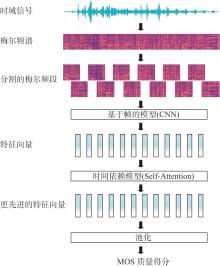
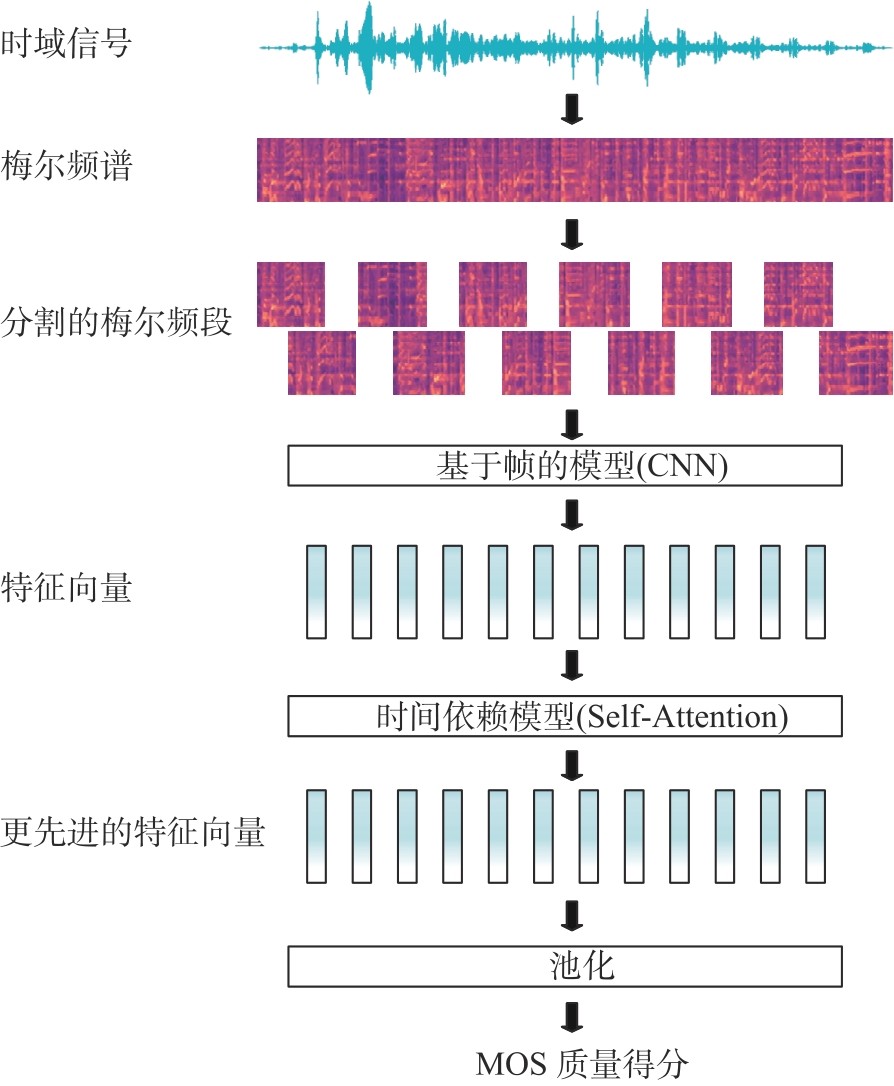
MITTAG G, NADERI B, CHEHADI A, et al. NISQA: A Deep CNN-Self-Attention Model for Multidimensional Speech Qualit-y Prediction with Crowdsourced Datasets[C]. Interspeech 2021, Brno, Czech Republic, 2021: 2127-2131.
|
| [20] |
姜文, 刘立康. MediaInfo工具在视频文件管理中的应用[J]. 计算机技术与发展, 2018, 28(4): 36-41.
|
| [21] |
夏校朋. 基于H. 264/HEVC的视频编解码关键技术研究[D]. 成都: 中国科学院研究生院(光电技术研究所), 2016.
|
| [22] |
曾小芹. 基于Python的中文结巴分词技术实现[J]. 信息与电脑(理论版), 2019, 31(18): 38-39+42.
|
| [23] |
武永亮, 赵书良, 李长镜, 等. 基于TF-IDF和余弦相似度的文本分类方法[J]. 中文信息学报, 2017, 31(5): 138-145.
|
| [24] |
胡亚红, 方豪达, 江大川, 等. 基于AHP和k-means算法的电力用户信用度评价[J]. 浙江工业大学学报, 2018, 46(5): 515-521.
|
| [25] |
长孙萌. 微博中信息传播效率影响因素研究[D]. 西安: 西安理工大学, 2019.
|
| [26] |
方匡南, 吴见彬, 朱建平, 等. 随机森林方法研究综述[J]. 统计与信息论坛, 2011, 26(3): 32-38.
|
| [27] |
李子言. 大数据背景下ROC曲线介绍与应用[J]. 科教导刊, 2021, (14): 81-84.
|
 ),张琪,张士豪*(